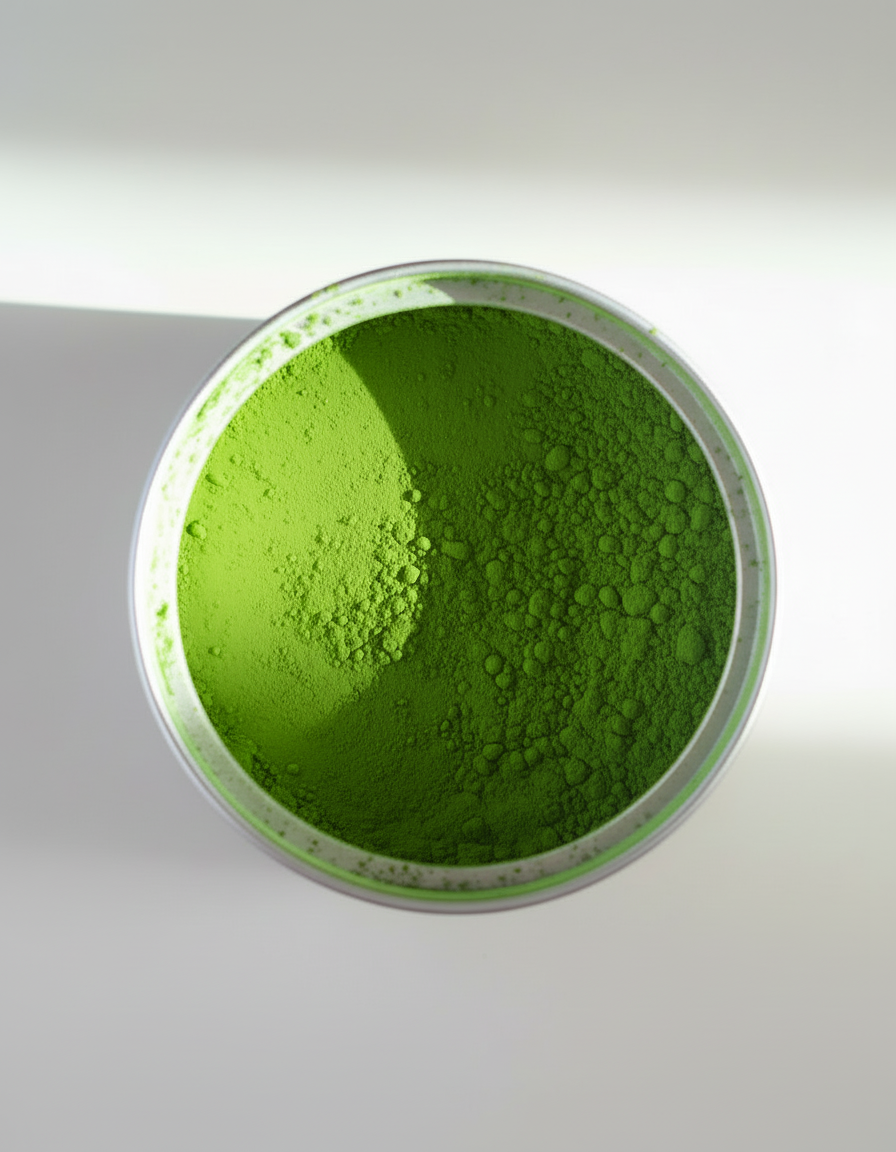


How to Make the Perfect Matcha at Home
Master the art of preparing authentic matcha at home with the right tools, temperature, and technique. This complete guide covers everything from traditional whisking to modern matcha lattes—ensuring smooth, frothy, vibrant results every time.
The Truth About "Perfect" Matcha
Hey there, Asumi Matcha fam! Let's start with some honesty: perfection doesn't exist. We know that. Your "perfect" matcha might be a traditional usucha (thin tea) whisked in silence, while someone else's might be an iced matcha latte with oat milk and honey enjoyed on a sunny patio. And you know what? Both are absolutely perfect.
However, there is a way of preparing your Asumi Matcha that comes extremely close to technical perfection—a method that honors centuries of Japanese tea tradition while giving you the smoothest, frothiest, most vibrant cup possible. And we're here to spill the tea (literally).
Whether you're a complete beginner who just bought your first tin of matcha or an experienced enthusiast looking to refine your technique, this guide will teach you everything you need to know to make exceptional matcha at home.
Understanding Matcha: It's Just Like Us
Here's the key insight that changed everything for us: matcha is just like us—it needs to be in a good environment to truly bloom and show its best qualities.
Just as you might feel off when you're too hot, too cold, stressed, or using the wrong tools for a job, matcha responds dramatically to its environment. The water temperature, the tools you use, the whisking technique, even the vessel—all of these factors influence whether your matcha tastes bitter and looks dull, or tastes smooth and glows with that signature jade-green vibrancy.
The good news? Once you understand what matcha needs to thrive, making excellent matcha at home becomes second nature. Let's break it down step by step.
Step 1: Gather the Right Tools
The tools you use matter more than you might think. Traditional Japanese tea masters spent centuries perfecting matcha preparation tools, and there are good reasons for their specific designs.
Essential Tools:
1. Bamboo Matcha Whisk (Chasen)
-
The traditional tool for whisking matcha
-
Usually has 80-120 fine bamboo prongs
-
Creates the finest froth and smoothest texture
-
Price: $15-30 for a quality chasen
Why bamboo matters: Did you know that whenever matcha powder comes in contact with metal silverware, it has the potential for altered taste and color due to chemical reactions? Metal can oxidize and react with matcha's delicate compounds, creating off-flavors and diminishing that vibrant green color.
That's why it's strongly recommended to use a bamboo whisk and bamboo spoon when handling matcha powder. Bamboo is chemically neutral—it won't react with your tea or change its properties.
2. Bamboo Matcha Scoop (Chashaku)
-
Traditional measuring spoon
-
One scoop equals approximately 1g of matcha
-
Keeps metal away from your powder
-
Price: $8-15
3. Matcha Bowl (Chawan)
-
Wide, shallow bowl allows proper whisking motion
-
Traditional ceramic bowls work beautifully
-
Any wide, shallow bowl works if you don't have a traditional one
-
Price: $20-60 for authentic Japanese bowls
4. Fine Mesh Sieve
-
Essential for removing clumps
-
Ensures silky-smooth matcha
-
Price: $5-10
Optional But Helpful:
Electric Milk Frother:
-
Quick alternative to bamboo whisk
-
Great for matcha lattes
-
Not traditional, but produces good froth
-
Price: $15-30
Matcha Whisk Holder (Kusenaoshi):
-
Maintains whisk shape between uses
-
Extends whisk lifespan
-
Price: $10-20
Digital Thermometer:
-
Takes guesswork out of water temperature
-
Ensures consistent results
-
Price: $10-25
Pro tip: If you're just starting out and don't want to invest in all the traditional tools yet, you can get by with a fine-mesh sieve, a wide shallow bowl, and an electric milk frother. But when you're ready to deepen your practice, the traditional tools make a noticeable difference.
Step 2: Master Water Temperature (This Changes Everything)
If there's one piece of advice that will instantly improve your matcha, it's this: get your water temperature right.
Water temperature is one of the most crucial steps when it comes to ensuring a smooth, frothy texture and unlocking matcha's full flavor potential. Yet it's the step most beginners get wrong.
The Magic Number: 75-80°C (165-175°F)
This is the sweet spot—hot enough to dissolve the powder completely and release the aromatic compounds, but cool enough to preserve matcha's delicate character.
Why This Temperature Range Works:
At 75-80°C:
-
Delicate flavors and natural sweetness emerge
-
Aromatic compounds are released optimally
-
The vibrant jade-green color is preserved
-
L-theanine and other beneficial compounds remain intact
-
You get that umami-rich, slightly sweet taste
What Happens at Higher Temperatures (85°C+):
When you whisk matcha at temperatures that are too high, the delicate tea leaves essentially scorch. The result:
-
Bitter, harsh taste
-
Loss of natural sweetness
-
Diminished health benefits (heat-sensitive compounds degrade)
-
Duller green color (chlorophyll breaks down)
-
Astringent, unpleasant mouthfeel
What Happens at Lower Temperatures (Below 70°C):
When you whisk at temperatures that are too low, the matcha powder might not dissolve completely, leading to:
-
Gritty, grainy texture
-
Clumpy powder floating on top
-
Uneven distribution of flavor
-
Difficulty creating froth
-
Muted taste profile
How to Achieve the Perfect Temperature:
Method 1: Boil and Cool
-
Boil water (100°C)
-
Let it sit for 5-7 minutes to cool to 75-80°C
-
Test with your finger (should feel hot but not scalding)
Method 2: Use a Thermometer
-
Boil water and use a digital thermometer
-
Wait until it reads 75-80°C
-
Most accurate method
Method 3: Mix Hot and Cold
-
Boil water, pour into cup
-
Add a small amount of cold water to bring down temperature
-
Requires practice but works well once you know your ratios
Method 4: Temperature-Controlled Kettle
-
Invest in an electric kettle with temperature settings
-
Set to 80°C
-
No guesswork needed
Pro tip: If you're making matcha daily, a temperature-controlled kettle is a game-changer. It's consistent, convenient, and eliminates one variable from your preparation.
Step 3: Prepare Your Matcha (The Foundation)
Now that you have the right tools and perfect water temperature, let's prepare exceptional matcha.
The Traditional Method (Usucha - Thin Tea):
Step 3.1: Sift Your Matcha Place a fine-mesh sieve over your matcha bowl. Add 1-2g of Asumi Matcha (about 1-2 bamboo scoops or ½-1 teaspoon). Gently press the powder through the sieve with the back of a spoon.
Why sifting matters: Matcha clumps naturally during storage due to static electricity and compression. Sifting breaks up these clumps, ensuring:
-
Smooth, lump-free consistency
-
Even distribution in water
-
Better froth formation
-
No floating powder chunks
Never skip this step! It takes 10 seconds and makes a massive difference.
Step 3.2: Add Water Pour 60-80ml (about ¼ cup) of 75-80°C water into the bowl with your sifted matcha.
Pro tip: Some people add a tiny splash of cold water first (about 1 tablespoon) to create a paste, then add the hot water. This can help dissolve stubborn powder and creates an even smoother result.
Step 3.3: Whisk Properly This is where the magic happens. Hold your bamboo whisk with a relaxed grip (like holding a paintbrush, not a hammer).
The Traditional "W" or "M" Motion:
-
Start whisking rapidly in a "W" or "M" pattern
-
Keep the whisk tips on the bottom of the bowl (don't lift them up too high)
-
Whisk vigorously for 15-20 seconds
-
You should hear a light scratching sound
-
Continue until a fine layer of foam forms on the surface
-
Finish with small circular motions to gather the foam
What you're looking for: A smooth, uniform green liquid with a layer of fine, almost creamy foam on top. No clumps, no powder floating on the surface, no large bubbles—just silky microfoam.
If using an electric frother:
-
Blend on high for 15-20 seconds
-
Move the frother up and down gently
-
Stop when smooth and frothy
Step 3.4: Enjoy Immediately Matcha is best enjoyed within a few minutes of preparation. The foam settles, and the temperature drops quickly.
Traditional serving: Rotate the bowl 180° before drinking as a gesture of respect and humility in Japanese tea ceremony. Take small sips, savoring the complex flavor.
Common Matcha Mistakes (And How to Fix Them)
Mistake #1: Using Boiling Water ❌ Problem: Bitter, harsh taste, dull color
✅ Solution: Always cool to 75-80°C
Mistake #2: Not Sifting ❌ Problem: Clumpy, gritty texture
✅ Solution: Always sift through fine-mesh sieve
Mistake #3: Using Metal Utensils ❌ Problem: Altered taste, diminished color
✅ Solution: Use bamboo tools or non-reactive materials
Mistake #4: Weak, Timid Whisking ❌ Problem: No froth, powder doesn't dissolve
✅ Solution: Whisk vigorously for 15-20 seconds
Mistake #5: Using Too Much or Too Little Water ❌ Problem: Too bitter (too little) or too weak (too much)
✅ Solution: Use 60-80ml water for 1-2g matcha
Mistake #6: Using Low-Quality Matcha ❌ Problem: Bitter, brown-green color, no natural sweetness
✅ Solution: Invest in ceremonial grade like Asumi Matcha
Mistake #7: Storing Matcha Improperly ❌ Problem: Loss of color, flavor, and benefits
✅ Solution: Keep sealed, refrigerated, away from light
Beyond Traditional: Modern Matcha Preparations
Now that you've mastered these crucial foundational steps—the right tools and the perfect temperature—you can let your spirit roam free and do whatever you want with your matcha!
Iced Matcha Latte (Most Popular):
-
Prepare matcha traditionally (sifted, whisked with 60ml hot water)
-
Let cool for 2-3 minutes
-
Fill a glass with ice
-
Add 150-200ml milk of choice (oat, almond, dairy, coconut)
-
Pour matcha over ice and milk
-
Add sweetener if desired (honey, agave, maple syrup)
-
Stir and enjoy!
Hot Matcha Latte:
-
Prepare matcha traditionally
-
Heat milk to 60-70°C (don't boil)
-
Froth milk using a frother or whisk
-
Pour matcha into large mug
-
Add frothed milk
-
Sweeten if desired
Matcha Smoothie:
-
Prepare matcha traditionally or add powder directly to blender
-
Add: banana, frozen mango, spinach, milk, ice
-
Blend until smooth
-
Enjoy as breakfast or post-workout
Matcha Mélange (With Fruits):
-
Prepare matcha traditionally
-
Add fresh fruit juice (orange, pineapple, mango)
-
Stir well
-
Serve over ice
Matcha on Its Own (Purist Style):
-
Prepare matcha traditionally with just water
-
Sip slowly, appreciating the complex flavor
-
Notice the natural sweetness, umami, slight vegetal notes
-
This is how to truly taste the quality of your matcha
Matcha with Sparkling Water:
-
Prepare matcha traditionally
-
Let cool to room temperature
-
Pour over ice
-
Top with sparkling water
-
Add lemon or lime for a refreshing twist
The Quality Question: Why Ceremonial Grade Matters
You can follow every step perfectly, but if you're using low-quality matcha, you'll still get disappointing results. Here's why Asumi Matcha's ceremonial grade makes all the difference:
Ceremonial Grade (Like Asumi Matcha):
-
First-harvest, youngest leaves
-
Vibrant jade-green color
-
Naturally sweet, smooth flavor
-
Ultra-fine texture
-
Dissolves completely
-
No bitterness
-
Perfect for drinking straight or in lattes
Culinary Grade:
-
Later-harvest, more mature leaves
-
Olive or brownish-green color
-
Bitter, harsh flavor
-
Coarser texture
-
Better suited for baking where other flavors mask it
-
Not ideal for drinking
The Taste Test: Make matcha side-by-side with ceremonial grade and culinary grade using identical technique. The difference is night and day. Ceremonial grade tastes smooth, naturally sweet, and complex. Culinary grade tastes bitter, one-dimensional, and harsh.
When you're drinking matcha straight or in a simple latte, quality is everything. Don't judge matcha based on poor-quality powder—it's like judging wine based on cheap boxed wine.
Troubleshooting Your Matcha
Problem: Matcha tastes bitter
-
Water too hot (over 85°C)
-
Low-quality matcha
-
Too much powder relative to water
-
Matcha is old or improperly stored
Problem: Matcha is clumpy and won't dissolve
-
Didn't sift the powder
-
Water too cool
-
Didn't whisk vigorously enough
-
Matcha is old and has hardened
Problem: No froth forms
-
Water temperature incorrect
-
Whisking too gently
-
Not enough matcha (needs 1-2g minimum)
-
Using the wrong type of whisk
Problem: Color is dull (olive or brown-green)
-
Low-quality matcha
-
Water too hot (degraded chlorophyll)
-
Matcha exposed to light/air during storage
-
Matcha is expired
Problem: Tastes weak or watery
-
Too much water
-
Too little matcha
-
Didn't whisk long enough
-
Low-quality matcha
Storage Tips for Perfect Matcha Every Time
Proper storage preserves matcha's color, flavor, and health benefits:
Do:
✅ Keep sealed in airtight container
✅ Store in refrigerator (especially after opening)
✅ Keep away from light, heat, and moisture
✅ Use within 1-2 months of opening for best quality
✅ Buy in smaller quantities if you don't use it daily
Don't:
❌ Leave exposed to air
❌ Store in warm places
❌ Keep near strong-smelling foods (matcha absorbs odors)
❌ Use wet spoons (introduces moisture)
❌ Store in clear containers (light degrades it)
Frequently Asked Questions
How much matcha should I use per serving? 1-2g (about ½-1 teaspoon or 1-2 bamboo scoops) for traditional preparation. For lattes, some people use up to 3g for stronger flavor.
Can I use a regular whisk instead of a bamboo whisk? You can, but results won't be as good. Regular whisks don't create the fine microfoam that bamboo whisks do. An electric frother is a better alternative.
Why does my matcha sometimes taste fishy or seaweed-like? This is actually the natural umami and amino acid profile of high-quality matcha. It's not "fishy"—it's savory umami. Lower quality matcha tastes more bitter and less umami.
Can I make matcha with cold water? Yes, for iced matcha! Use a small amount of room-temperature water to make a paste first, then add cold water and shake vigorously in a bottle or jar. It won't be as smooth as hot-whisked, but it works.
How long does prepared matcha last? Drink it within 10-15 minutes. After that, the foam dissipates and the flavor deteriorates. Matcha is always best fresh.
Can I meal prep matcha? Not really. Unlike coffee, matcha doesn't stay good once prepared. Make it fresh each time for best results.
Is it okay to drink matcha every day? Yes! 1-2 servings daily is considered healthy for most people. It provides antioxidants, calm energy, and various health benefits.
Your Perfect Matcha Moment
At Asumi Matcha, we embrace everybody's sense of taste and personal preferences when it comes to matcha. There's no single "right" way to enjoy it—only what's right for you.
Maybe your perfect matcha moment is:
-
A quiet morning ritual, whisking traditional matcha in peaceful silence
-
An iced matcha latte enjoyed poolside on a hot afternoon
-
A pre-workout matcha shot for clean energy
-
A cozy evening matcha latte with a good book
-
A matcha smoothie bowl for Sunday brunch
-
Sharing matcha cookies you baked with friends
Whatever your perfect matcha moment looks and tastes like, we'd love to hear about it! Share your matcha rituals, favorite recipes, and creative preparations in the comments below.
Ready to make the perfect matcha at home? Start with Asumi Matcha's premium ceremonial grade—vibrant, naturally sweet, and smooth every time. Our matcha is shade-grown, stone-ground, and crafted using traditional methods that honor centuries of Japanese tea culture. Shop now and discover what exceptional matcha tastes like.
Quick Reference Guide
Perfect Matcha Formula:
Amount: 1-2g matcha (½-1 tsp)
Water: 60-80ml at 75-80°C
Whisk: 15-20 seconds vigorously
Tools: Bamboo whisk & scoop (no metal)
Result: Smooth, frothy, vibrant green
Remember:
1️⃣ Always sift
2️⃣ Perfect temperature (75-80°C)
3️⃣ Use bamboo tools
4️⃣ Whisk vigorously
5️⃣ Use quality matcha