

The Rise of Matcha in Western Culture: From Japanese Ceremony to Global Phenomenon
How did matcha go from an ancient Japanese tea ceremony tradition to a must-have superfood in every Western café? Explore the cultural, health, and social media forces behind matcha's explosive popularity in Europe and North America.
Remember Your First Matcha Moment?
Hey there, Asumi Matcha fam! Think back to the first time you tried matcha. Maybe it was at a trendy café in Brooklyn, a health food store in London, or perhaps a friend's kitchen where they excitedly whisked up a bright green latte. Do you remember what you thought? Were you intrigued by the vibrant color? Surprised by the earthy, umami flavor? Or maybe you were one of the skeptics who couldn't understand the hype?
Now think about how much has changed since then. Matcha has gone from a rare, exotic ingredient that most Westerners had never heard of to a mainstream staple found in cafés, grocery stores, smoothie bars, and wellness blogs across Europe and North America. It's in lattes, smoothies, ice cream, cookies, face masks, and even cocktails.
This vibrant green tea powder, once a well-kept secret of Japanese tea ceremonies dating back to the 12th century, has become one of the most sought-after superfoods in Western culture. But how did we get here? And do you remember the days when matcha wasn't readily available in every café you visited—and frankly, still isn't in some places?
Let's explore the fascinating journey of matcha's rise to Western prominence and unpack the green revolution we never knew we needed.
The Timeline: Matcha's Journey to the West
Pre-2000s: The Hidden Gem For centuries, matcha remained largely unknown outside Japan, where it was reserved for traditional tea ceremonies (chanoyu) practiced by monks and the cultural elite. Occasionally, adventurous travelers or Japanese expats would introduce it to Western friends, but it remained obscure.
Early 2000s: The Health Revolution Begins The tide began to turn in the early 2000s as Western interest in health and wellness trends surged. People were becoming increasingly conscious of their dietary choices, moving away from processed foods and seeking natural remedies for physical and mental health concerns.
This shift toward holistic wellness created the perfect environment for matcha to flourish. Here was a beverage with an ancient pedigree, backed by modern science, offering everything the newly health-conscious consumer wanted: antioxidants, natural energy, mental clarity, and a connection to mindful living.
2010s: The Social Media Explosion Instagram launched in 2010, and by mid-decade, the platform had become ground zero for the matcha movement. That vibrant green color was Instagram gold—photogenic, aspirational, and unmistakably distinctive. Food bloggers, wellness influencers, and health-conscious celebrities began posting their matcha lattes, smoothie bowls, and creative recipes, introducing millions of followers to this exotic green powder.
Coffee shops, always attuned to consumer trends, began adding matcha lattes to their menus. What started as a specialty offering in trendy neighborhoods quickly spread to mainstream chains.
2020s: Mainstream Acceptance Today, matcha has achieved true mainstream status in Western culture. Major coffee chains like Starbucks offer matcha drinks year-round. Grocery stores stock multiple matcha brands. Food manufacturers incorporate matcha into everything from ice cream to energy bars. The matcha market was valued at approximately $2.62 billion in 2023 and continues to grow at a compound annual growth rate of over 9%.
Matcha has successfully transitioned from niche ingredient to everyday staple, cementing its place in Western food culture.
Why Matcha Resonated with Western Culture
1. The Wellness Revolution: Matcha as Superfood
The rise of matcha in the West cannot be separated from the broader wellness movement that has transformed how millions of people approach health, nutrition, and self-care.
The Perfect Timing: As people became more conscious of what they put in their bodies, they started seeking alternatives to conventional solutions:
-
Natural energy sources instead of energy drinks loaded with sugar and artificial ingredients
-
Plant-based nutrition instead of synthetic supplements
-
Mindful rituals instead of rushed routines
-
Preventive health instead of reactive medicine
Matcha checked every single box.
The Health Benefits That Made Headlines:
Antioxidant Powerhouse: With 137 times more antioxidants than regular steeped green tea and an ORAC (Oxygen Radical Absorbance Capacity) score of 1,573 units per gram, matcha quickly earned its "superfood" designation. The EGCG catechins in matcha became famous for their anti-inflammatory, metabolism-boosting, and potentially cancer-fighting properties.
Calm Energy: Western culture was suffering from coffee fatigue—too much caffeine, too many jitters, too many crashes. Matcha offered something different: the unique combination of caffeine and L-theanine that provides calm, focused alertness without the anxiety. For stressed-out professionals, students, and parents, this was revolutionary.
Mental Clarity: The L-theanine in matcha promotes alpha brain wave production, the same relaxed-yet-alert state experienced during meditation. In a culture increasingly concerned with mental health, focus, and productivity, matcha became a tool for better cognitive performance.
Natural Detoxification: The high chlorophyll content in matcha (which gives it that vibrant green color) supports natural detoxification. This aligned perfectly with the detox and cleanse movements that swept through Western wellness culture.
As health-conscious consumers learned about these benefits, matcha transformed from an exotic curiosity into a functional beverage they wanted in their daily routine.
2. Cultural Authenticity in a Mass-Produced World
One of matcha's most powerful appeals in Western culture is its authentic cultural heritage and artisanal production—a stark contrast to the industrialized, mass-produced food system most Westerners grew up with.
The Appeal of Ritual and Tradition:
Modern Western life is often characterized by convenience, speed, and efficiency. We grab coffee to-go, eat lunch at our desks, and scroll through phones while eating dinner. In this context, matcha offers something profoundly different: a moment of mindfulness.
The traditional Japanese tea ceremony (chanoyu) represents everything contemporary Western culture lacks:
-
Deliberate slowness in a rushed world
-
Focused attention in an age of distraction
-
Handcrafted quality in a mass-production economy
-
Ancient wisdom in a novelty-obsessed culture
Even simplified Western matcha preparation—whisking powder in a bowl, creating froth, watching the vibrant green transform—provides a meditative pause that resonates with people seeking more intentional living.
The Artisanal Production Story:
Consumers today, especially millennials and Gen Z, are drawn to products with compelling origin stories. They want to know where their food comes from, how it's made, and who makes it.
Matcha delivers on all fronts:
Shade-Growing Tradition: Three to four weeks before harvest, tea plants are covered with shade cloth, forcing them to produce more chlorophyll and L-theanine. This labor-intensive process, perfected over centuries, creates matcha's distinctive properties.
Hand-Harvesting: The finest matcha comes from the youngest, most tender tea leaves, carefully hand-picked during the first harvest. This selective approach ensures premium quality but requires skilled labor and careful timing.
Stone-Grinding: Traditional granite stone mills grind tea leaves at a rate of only 30-40 grams per hour. This slow, cool grinding preserves the integrity of the leaves, protecting delicate compounds that would be destroyed by high-speed industrial methods.
This story of painstaking craftsmanship speaks to consumers tired of faceless corporate food production. When you prepare Asumi Matcha, you're not just making a drink—you're participating in a centuries-old tradition that values quality, patience, and skill.
3. The Instagram Effect: Matcha as Visual Culture
Never underestimate the power of aesthetics in the age of social media. Matcha's rise in Western culture is inseparable from its visual appeal—and no platform has been more important than Instagram.
The Color That Launched a Thousand Posts:
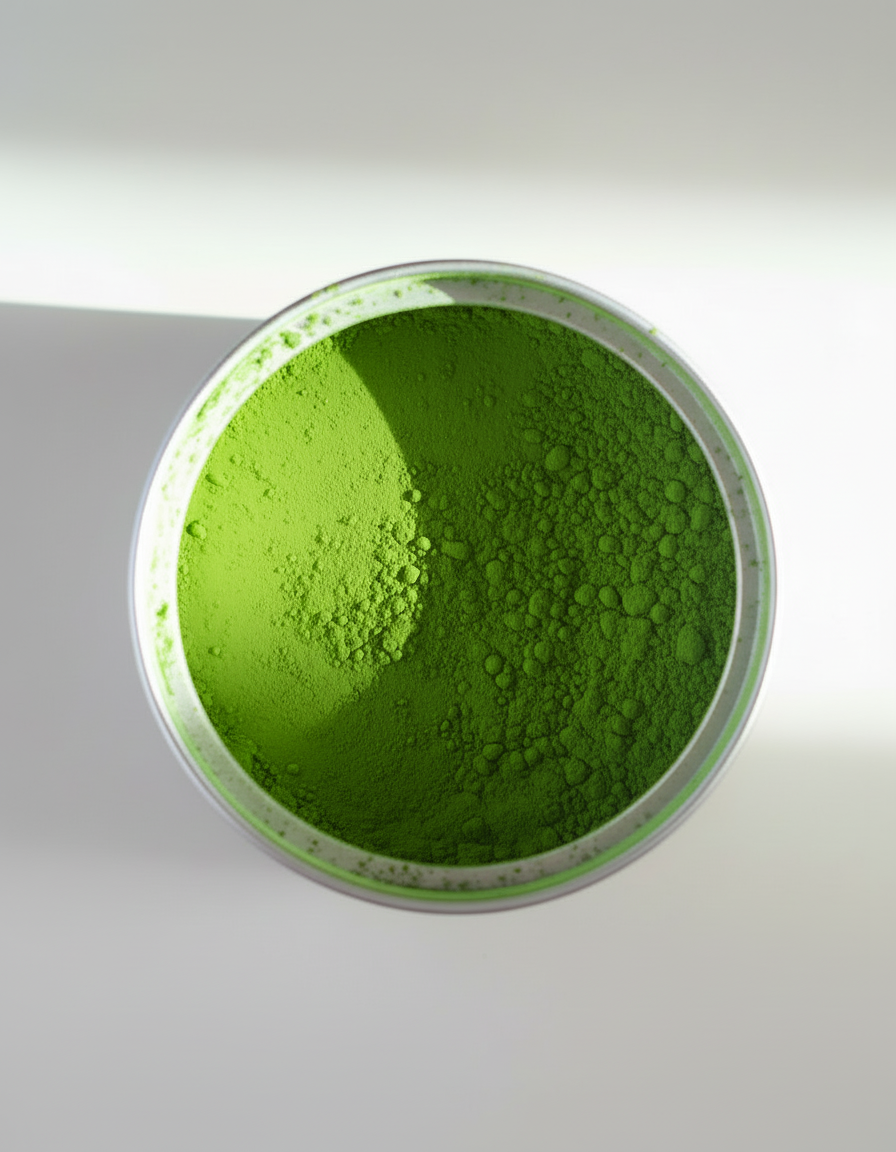
That vibrant, almost electric jade-green color is matcha's superpower. It photographs beautifully, standing out instantly in crowded social media feeds. A well-made matcha latte with perfectly frothed milk and that striking green color is visual catnip—immediately eye-catching, aspirational, and shareable.
The numbers tell the story:
-
#matcha: Over 6 million posts on Instagram
-
#matchalatte: Over 2 million posts
-
#matchalover: Over 500,000 posts
These aren't just beverage photos—they're lifestyle statements. A matcha latte in a minimalist café with natural lighting and a carefully curated background communicates wellness, sophistication, mindfulness, and aesthetic sensibility.
Latte Art and Creative Expression:
Baristas quickly recognized matcha's potential as a canvas for creative expression. Matcha latte art—hearts, leaves, rosettes, and intricate designs—became its own art form, further amplifying matcha's visual appeal and shareability.
Beyond lattes, the creative possibilities seemed endless:
-
Vibrant green smoothie bowls topped with colorful fruit
-
Matcha ice cream in photogenic cones
-
Layer cakes with striking green sponge
-
Matcha cookies dusted with powder
-
Elaborate matcha cocktails in craft bars
Each creation became content—shared, liked, commented on, and discovered by new audiences.
Influencer Endorsement:
Health-conscious celebrities and wellness influencers became powerful matcha advocates:
-
Gwyneth Paltrow featured matcha on Goop
-
Kourtney Kardashian posted about her daily matcha ritual
-
Fitness influencers promoted matcha as a pre-workout drink
-
Wellness bloggers created hundreds of matcha recipes
When influential figures with millions of followers endorsed matcha as a must-have ingredient in their daily routines, its status as a trendy superfood was solidified. Matcha went from niche to aspirational to mainstream in record time.
4. Sustainability and Ethical Consumption
Matcha's rise coincided with—and benefited from—growing consumer concern about sustainability, environmental impact, and ethical sourcing. This has rightfully become a megatrend, especially among younger consumers.
Why Matcha Fits the Sustainability Narrative:
Plant-Based and Natural: As more Westerners adopt plant-based diets or reduce animal product consumption, matcha offers a nutrient-dense, entirely plant-based option that delivers energy, protein (yes, matcha contains protein!), and wellness benefits.
Minimal Processing: Unlike heavily processed energy drinks, supplements, or coffee alternatives, matcha is simply tea leaves ground into powder—no chemicals, no artificial ingredients, no synthetic additives. This simplicity appeals to consumers seeking clean, recognizable ingredients.
Zero Waste Potential: Because you consume the entire leaf rather than steeping and discarding it, matcha represents a zero-waste approach to tea consumption. Every gram of powder becomes nutrition—nothing is thrown away.
Traditional Farming Practices: High-quality matcha like Asumi Matcha typically comes from farms that use traditional, often organic methods passed down through generations. These practices tend to be more sustainable than industrial agriculture, supporting soil health and biodiversity.
Long Shelf Life: Properly stored matcha lasts months, reducing food waste compared to fresh produce or beverages with short shelf lives.
Supporting Small Producers: By choosing quality matcha brands, Western consumers support small-scale Japanese tea farmers who maintain traditional cultivation methods—a form of ethical consumption that preserves cultural heritage and provides fair livelihoods.
This alignment with sustainability values makes matcha more than just a trendy beverage—it's a conscious choice that reflects personal values about the environment and ethical consumption.
The Coffee Shop Revolution
Perhaps nothing symbolizes matcha's Western acceptance more than its ubiquity in coffee shops—the traditional domain of, well, coffee.
From Specialty to Mainstream:
Phase 1: The Pioneers (2010-2015) Independent, trendy cafés in urban centers like New York, Los Angeles, London, and Melbourne began offering matcha lattes. These were often health-focused establishments or cafés with Japanese influences. Matcha was positioned as a premium, specialty item—more expensive than coffee, marketed to adventurous consumers.
Phase 2: The Expansion (2015-2020) As demand grew, larger regional chains added matcha to their menus. Suddenly, matcha wasn't just for hipster neighborhoods—it was in suburban strip malls and airport cafés. The audience expanded from early adopters to mainstream consumers curious about the green drink they'd seen online.
Phase 3: Universal Availability (2020-Present) Major international chains like Starbucks, Pret A Manger, and Costa Coffee now offer matcha drinks year-round. You can order a matcha latte almost anywhere you can order a cappuccino. This mainstream acceptance represents the culmination of matcha's Western journey—from exotic outsider to everyday option.
Menu Innovation: Coffee shops haven't just added traditional matcha lattes. They've innovated:
-
Iced matcha lattes
-
Matcha frappuccinos
-
Matcha with oat milk, almond milk, coconut milk
-
Dirty matchas (matcha + espresso)
-
Matcha smoothies
-
Matcha affogatos
-
Seasonal matcha drinks (pumpkin matcha lattes, anyone?)
This creative adaptation demonstrates how Western culture has embraced matcha while making it their own.
Beyond the Beverage: Matcha Everywhere
Matcha's influence extends far beyond drinks. Western food culture has enthusiastically incorporated matcha into countless products and categories:
Food Products:
-
Ice cream and frozen desserts
-
Chocolates and candy
-
Energy bars and protein bars
-
Baked goods (cookies, cakes, muffins)
-
Breakfast cereals and granola
-
Nut butters
-
Popcorn seasonings
Beauty and Wellness:
-
Face masks and skincare products
-
Body scrubs
-
Bath bombs
-
Soap and body wash
-
Supplements and capsules
Home and Lifestyle:
-
Matcha preparation tools (whisks, bowls, scoops)
-
Matcha-themed merchandise
-
Cooking and recipe books
-
Matcha subscription boxes
This expansion into multiple categories reflects matcha's evolution from a single-use ingredient to a lifestyle brand and cultural phenomenon.
Regional Differences: How Different Western Markets Embraced Matcha
United States: American adoption of matcha has been driven by the wellness industry, particularly on the West Coast. California, with its health-conscious culture and significant Japanese-American population, became ground zero for American matcha culture. From there, it spread to urban centers nationwide. Americans tend to favor sweetened matcha lattes and creative fusion applications.
United Kingdom: British matcha culture developed more gradually, building on the UK's existing tea culture. London's café scene embraced matcha enthusiastically, particularly in areas like Shoreditch and Soho. British consumers often prefer less sweet preparations and appreciate matcha's connection to traditional tea culture.
Australia: Melbourne and Sydney's world-renowned café culture made Australia an early and enthusiastic adopter. Australian matcha culture emphasizes quality, artisanal preparation, and latte art. The health and fitness community in Australia has been particularly passionate about matcha.
Canada: Canadian cities like Toronto, Vancouver, and Montreal have developed thriving matcha scenes, influenced by both American wellness trends and significant Asian immigrant populations. Canadian consumers tend to value sustainability and ethical sourcing, making high-quality, traditionally produced matcha particularly appealing.
The Demographics: Who's Drinking Matcha?
Millennials and Gen Z: These age groups (roughly 25-45 years old) are matcha's core demographic in the West. They value:
-
Health and wellness
-
Sustainability and ethical consumption
-
Experiences and aesthetics (Instagram culture)
-
Cultural authenticity
-
Plant-based options
Health and Fitness Enthusiasts: Gym-goers, yoga practitioners, runners, and wellness-focused individuals have embraced matcha as a pre-workout energizer, post-workout recovery drink, and general health supplement.
Coffee Alternatives Seekers: People who can't tolerate coffee due to acid reflux, anxiety, jitters, or sleep disruption have found matcha to be the perfect alternative—providing energy without the negative side effects.
Foodies and Culinary Adventurers: People interested in cooking, baking, and culinary exploration have embraced matcha as a versatile ingredient that adds unique flavor, nutrition, and visual appeal to recipes.
Mindfulness Practitioners: Those interested in meditation, yoga, mindfulness, and intentional living appreciate matcha's connection to traditional tea ceremonies and its ritual aspects.
Challenges and Criticisms
Matcha's rapid rise hasn't been without challenges:
Quality Variation: As demand exploded, the market flooded with low-quality matcha—often culinary-grade powder marketed for drinking, or matcha from China rather than Japan with inferior taste and color. This has sometimes given people negative first impressions, making education about quality crucial.
Cultural Appropriation Concerns: Some have questioned whether Western adoption of matcha represents cultural appreciation or appropriation—taking a sacred Japanese tradition and commercializing it without proper respect or understanding.
Greenwashing: Some brands market matcha products as "healthy" while loading them with sugar, artificial flavors, and minimal actual matcha content. A matcha-flavored frappuccino with 50g of sugar isn't exactly a wellness drink.
Price Accessibility: Quality matcha is expensive, which can make it inaccessible to many consumers. A 30g tin of ceremonial grade matcha can cost $20-40, putting it out of reach for budget-conscious individuals.
Overhyping: Like many wellness trends, matcha has sometimes been overhyped with exaggerated or unproven health claims, leading to skepticism and eventual backlash.
Despite these challenges, matcha's Western popularity continues to grow, suggesting it's more than a passing fad.
The Future: Where Does Matcha Go From Here?
Continued Growth: Market analysis suggests matcha consumption in Western countries will continue expanding through 2030 and beyond. As awareness grows and quality improves, more people will incorporate matcha into their routines.
Quality Education: Consumers are becoming more sophisticated, learning to distinguish between ceremonial and culinary grades, understanding origin and production methods, and seeking out premium options like Asumi Matcha that prioritize quality and tradition.
Innovation: Expect continued culinary innovation—new recipes, applications, and product categories. Matcha mocktails, matcha-infused savory dishes, and matcha supplements are all growth areas.
Sustainability Focus: As environmental concerns intensify, matcha's sustainability credentials will become even more important. Brands that can demonstrate organic practices, fair trade, and environmental responsibility will thrive.
Cultural Respect: There's growing awareness of the importance of respecting matcha's cultural origins while adapting it to Western contexts. This balance—innovation with respect—will shape matcha's future.
Why Quality Matters: The Asumi Matcha Difference
As matcha has become mainstream in Western culture, the importance of quality has never been more critical. Not all matcha delivers on the promise of health benefits, authentic flavor, and that stunning green color.
What Makes Asumi Matcha Different:
Ceremonial Grade Excellence: Asumi Matcha uses only the finest first-harvest leaves, hand-picked from shade-grown plants in Japan. This isn't mass-produced commodity matcha—it's the real thing.
Vibrant Color: That electric jade-green color you see on Instagram? That's what real, high-quality matcha looks like. Brownish or yellowish-green matcha indicates lower quality.
Naturally Sweet Flavor: Premium matcha like Asumi has natural sweetness and rich umami—no bitterness or grassiness. You shouldn't need to mask the flavor with sugar.
Traditional Stone-Grinding: Slow, careful grinding preserves the delicate compounds that make matcha special. Industrial processing destroys many of the benefits you're drinking matcha for.
Authentic Cultural Connection: By choosing Asumi Matcha, you're supporting traditional Japanese tea farming and participating in a genuine cultural tradition—not just following a trend.
When Westerners first try low-quality matcha, they often wonder what the fuss is about. When they try premium ceremonial grade like Asumi Matcha, they understand immediately.
Frequently Asked Questions
When did matcha become popular in the West? Matcha began gaining traction in the early 2000s but exploded in popularity around 2015-2020, driven by social media, wellness trends, and coffee shop adoption.
Why is matcha so expensive in Western countries? Quality matcha involves labor-intensive production (shade-growing, hand-picking, stone-grinding) and must be imported from Japan. Premium ceremonial grade represents significant craftsmanship and time.
Is the Western matcha trend just a fad? While initial hype may have been trend-driven, matcha's sustained popularity (now over a decade) and continued market growth suggest it's become a permanent part of Western food culture.
Do Japanese people think Western matcha culture is authentic? Opinions vary. Some appreciate the global spread of tea culture; others feel Western commercialization has strayed too far from traditional values. Most agree that education about quality and preparation is important.
What's the difference between matcha in Japan vs. the West? In Japan, matcha is primarily associated with traditional tea ceremony and is prepared simply with water. In the West, matcha lattes with milk and sweetener are more common, and matcha appears in many foods where it traditionally wouldn't.
Why did matcha succeed where other Japanese foods haven't? Matcha checked multiple boxes: health benefits, visual appeal, cultural authenticity, versatility, and alignment with wellness trends. Few ingredients offer this complete package.
Join the Green Revolution
Whether you're sipping a frothy matcha latte at your favorite café, whisking matcha at home in a traditional bowl, or indulging in a decadent matcha-infused dessert, you're partaking in a centuries-old tradition that has found vibrant new life in the bustling streets, cafés, and kitchens of the West.
The rise of matcha in Western culture represents more than just a food trend—it's a cultural exchange, a wellness movement, and a return to mindful consumption in an increasingly fast-paced world. It's the green revolution we never knew we needed, and we're all the better for it.
At Asumi Matcha, we're honored to be part of your matcha journey, whether you're a longtime enthusiast or just discovering this incredible superfood. We believe in honoring matcha's authentic cultural heritage while celebrating the creative, innovative ways Western culture has embraced it.
Experience the difference that quality makes. Try Asumi Matcha's premium ceremonial grade and discover why millions of Westerners have fallen in love with this ancient Japanese tradition. Shop now and join the green revolution—cheers to that!
Quick Facts: Matcha's Western Journey
Timeline: Early 2000s curiosity → 2010s social media explosion → 2020s mainstream acceptance
Market Value: $2.62 billion (2023) and growing
Social Media: 6+ million #matcha posts on Instagram
Availability: Now offered in major coffee chains worldwide
Core Demographics: Millennials, Gen Z, health enthusiasts, foodies
Key Drivers: Health benefits, visual appeal, cultural authenticity, sustainability
Read more
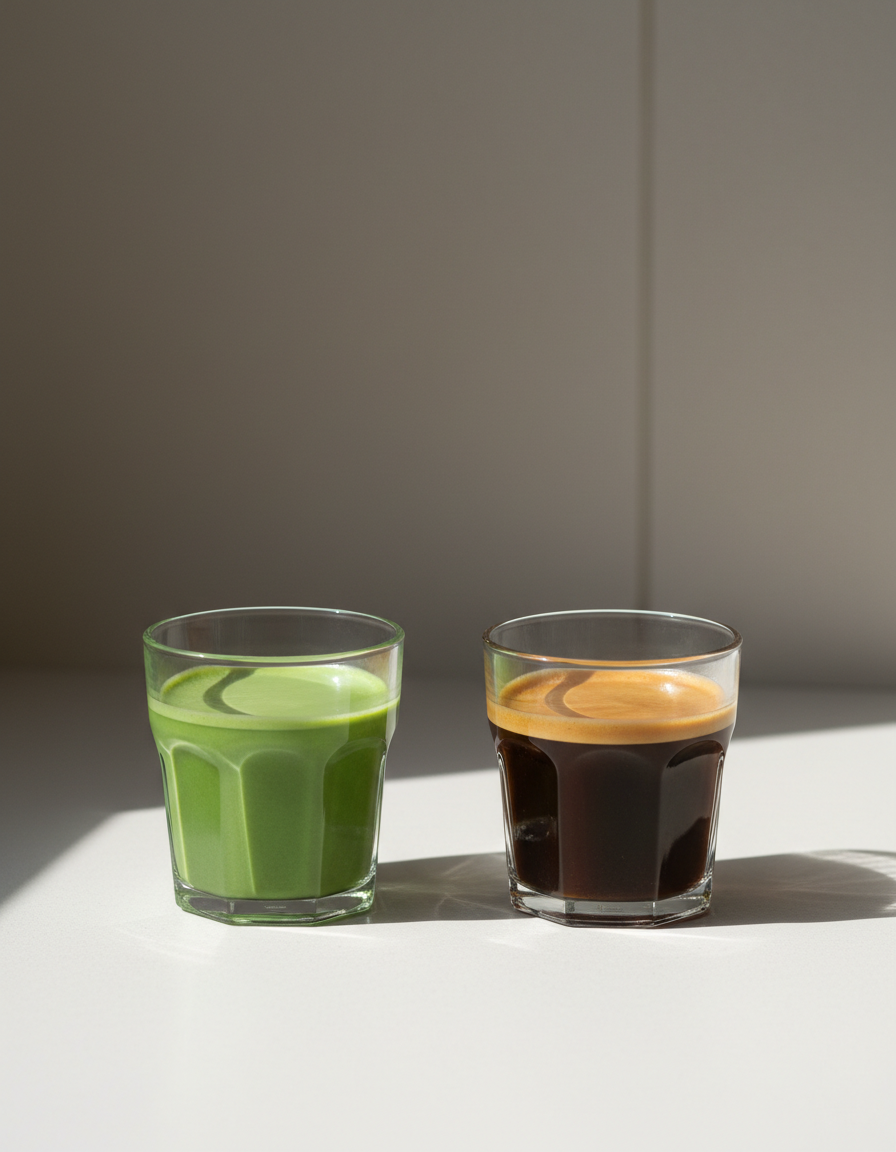
Debating between matcha and coffee for your morning routine? This comprehensive comparison breaks down caffeine content, health benefits, side effects, and why matcha is becoming the wellness commu...

Master the art of preparing authentic matcha at home with the right tools, temperature, and technique. This complete guide covers everything from traditional whisking to modern matcha lattes—ensuri...
