


Mango Matcha Smoothie Recipe
This vibrant mango matcha smoothie layers tropical sweetness with earthy matcha for a refreshing, energy-boosting drink. Ready in 10 minutes with beautiful ombré layers that taste as good as they look.
Why This Mango Matcha Smoothie is Special
Imagine combining the tropical sweetness of ripe mango with the energizing earthiness of premium matcha—that's exactly what this smoothie delivers. Unlike basic green smoothies that hide vegetables under fruit, this recipe celebrates both ingredients equally, creating distinct, beautiful layers that gradually blend as you drink.
The result is a smoothie that's naturally sweet, creamy, and packed with antioxidants, vitamin C, and sustained energy. It's the perfect way to start your morning or recharge in the afternoon without any added sugar (unless you want it).
Why You'll Love This Recipe:
-
Gorgeous layered presentation
-
Naturally sweet without added sugar
-
Creamy coconut milk base
-
Energy-boosting matcha + vitamin C from mango
-
Ready in 10 minutes
Mango Matcha Smoothie Ingredients
Serves: 1 large smoothie | Prep Time: 10 minutes | Total Time: 10 minutes
For the Matcha:
-
1 tsp (2g) ceremonial grade matcha powder (use Asumi Matcha for vibrant color and smooth flavor)
-
25ml hot water (80°C/175°F—not boiling!)
For the Smoothie:
-
1½ cups frozen mango chunks (about 225g)
-
½ cup coconut milk (full-fat for creamiest texture)
-
¾ cup cold water (or use milk of choice)
-
Optional: 1-2 tsp agave syrup, honey, or maple syrup (if you prefer it sweeter)
Optional Enhancement:
-
Ice cubes made from coconut milk or almond milk (prevents dilution)
Equipment Needed:
-
Bamboo matcha whisk (chasen) or electric frother
-
Small bowl for whisking matcha
-
Blender
-
Tall glass for serving
How to Make Mango Matcha Smoothie
Step 1: Prepare the Matcha (Traditional Method)
Start by making your matcha the traditional way for the smoothest, frothiest result:
Add 1 teaspoon (2g) of Asumi Matcha powder to a small bowl. If you have a matcha sifter, use it to remove any clumps—this ensures silky-smooth matcha.
Heat water to exactly 80°C (175°F)—this is hot but not boiling. Boiling water can make matcha taste bitter and destroy its delicate compounds. Pour 25ml of this water into the bowl with the matcha.
Using a bamboo matcha whisk (chasen), whisk vigorously in a "W" or "M" motion for 15-20 seconds until the matcha is completely dissolved and a light foam forms on top. You should have a smooth, vibrant green liquid with no clumps.
Set the whisked matcha aside to cool while you prepare the smoothie—you want it at room temperature, not hot, when you add it to your drink.
Pro tip: If you don't have a bamboo whisk, a milk frother works great too!
Step 2: Blend the Mango Base Layer
Take ½ cup of your frozen mango chunks and add them to your blender. If you prefer a sweeter smoothie, add your sweetener of choice now (agave syrup, honey, or maple syrup).
Blend on high speed until completely smooth and thick—this should be quite concentrated, almost like a mango sorbet. This creates your bottom layer with the deepest mango flavor.
Pour this thick mango purée into your serving glass and spread it evenly across the bottom. Set aside.
Color tip: This layer should be a vibrant orange—the visual contrast with the green matcha is what makes this smoothie so stunning!
Step 3: Make the Mango Milk Layer
No need to wash your blender! Add the remaining 1 cup of frozen mango, ½ cup coconut milk, and ¾ cup cold water to the same blender.
Blend on high for 30-60 seconds until smooth and creamy. This mixture should be thinner than your first layer—it's your middle layer that bridges the mango and matcha flavors.
Coconut milk magic: Full-fat coconut milk adds incredible creaminess and a subtle tropical flavor that complements both mango and matcha perfectly.
Step 4: Assemble Your Layered Smoothie
Now comes the fun part—creating those Instagram-worthy layers!
Carefully pour the mango milk mixture over the concentrated mango base. Pour slowly and aim for the center of the glass—this helps maintain distinct layers. You should see a beautiful gradient forming.
Finally, gently pour your cooled matcha on top. Pour very slowly, ideally over the back of a spoon, to help it sit on the surface and create that final green layer.
Patience pays off: The slower you pour, the more defined your layers will be.
Step 5: Stir and Enjoy
Present your beautiful layered creation first (take that photo!), then give it a good stir to combine all the flavors. As you mix, you'll see the colors swirl together into a gorgeous green-orange marble effect.
Sip and enjoy the perfect balance of tropical mango sweetness and earthy matcha—it's refreshing, energizing, and absolutely delicious.
The Science Behind the Layers
Why do the layers stay separate? It's all about density:
Bottom Layer (Thick Mango): The most concentrated, heaviest layer with the highest fruit content sinks to the bottom.
Middle Layer (Mango Milk): Diluted with coconut milk and water, this layer is lighter and sits in the middle.
Top Layer (Matcha): Made with mostly water, the matcha is the lightest and naturally floats on top—plus, it's served at room temperature while the smoothie layers are cold.
This density difference creates those stunning, Instagram-perfect layers!
Nutrition Benefits Breakdown
This smoothie isn't just pretty—it's a nutritional powerhouse:
From Mango:
-
100% of daily vitamin C (immune support, skin health)
-
Vitamin A for eye health
-
Fiber for digestion
-
Natural sugars for quick energy
-
Antioxidants (beta-carotene)
From Matcha:
-
137x more antioxidants than regular green tea
-
L-theanine for calm, focused energy (no jitters)
-
EGCG catechins for metabolism support
-
Natural caffeine (about 35mg per serving)
-
Chlorophyll for detoxification
From Coconut Milk:
-
Healthy medium-chain triglycerides (MCTs)
-
Creamy texture with no dairy
-
Iron and potassium
-
Natural sweetness
-
Approximately 250-300 calories
-
4-5g fiber
-
Rich in vitamins A, C, and antioxidants
-
Natural sugars (no refined sugar needed)
-
Sustained energy without crash
Pro Tips for the Perfect Mango Matcha Smoothie
-
Use frozen mango: Fresh mango makes the smoothie too thin and warm. Frozen creates that thick, frosty texture without needing extra ice.
-
Temperature matters for matcha: Never use boiling water (100°C)—it makes matcha bitter. 80°C is the sweet spot.
-
Let matcha cool: Adding hot matcha to a cold smoothie creates an odd temperature contrast. Let it cool to room temperature first.
-
Milk ice cubes are genius: Freeze coconut milk, almond milk, or oat milk in ice cube trays. Use these instead of water ice to keep your smoothie creamy as it melts.
-
Adjust consistency: Too thick? Add more water or milk. Too thin? Add more frozen mango or a few regular ice cubes.
-
Quality matcha is everything: Use ceremonial grade like Asumi Matcha—culinary grade can taste bitter and won't have that vibrant green color.
-
Blend in stages: Creating layers requires blending in stages. Don't try to do it all at once!
Mango Matcha Smoothie Variations
Tropical Paradise Bowl: Make it thicker (use less liquid), pour into a bowl, and top with granola, coconut flakes, chia seeds, and fresh fruit for a smoothie bowl.
Protein-Packed Version: Add a scoop of vanilla protein powder or collagen peptides to the mango milk layer.
Green Goddess: Add a handful of spinach to the mango milk layer for extra nutrients without affecting the taste.
Pineapple Matcha: Replace half the mango with frozen pineapple for a tangier tropical flavor.
Creamy Dream: Use all coconut milk instead of water for an ultra-rich, milkshake-like consistency.
Mango Matcha Chia: Stir 1 tablespoon chia seeds into the bottom mango layer and let sit for 5 minutes before adding other layers.
Spiced Version: Add a pinch of cardamom or fresh ginger to the mango layer for warming spice.
Troubleshooting Common Issues
Layers mix together immediately:
-
Mango base wasn't thick enough—use less liquid
-
Matcha was too hot—let it cool completely
-
Poured too quickly—slow down and pour gently
-
Solution: Make the bottom layer thicker, pour more carefully
Smoothie is too bitter:
-
Water was too hot when whisking matcha
-
Low-quality matcha was used
-
Not enough mango sweetness
-
Solution: Use Asumi Matcha ceremonial grade, add sweetener
Smoothie is too thin/watery:
-
Not enough frozen fruit
-
Regular ice diluted it
-
Too much water added
-
Solution: Add more frozen mango, use milk ice cubes
Matcha has lumps:
-
Matcha wasn't sifted
-
Wasn't whisked thoroughly
-
Water temperature was wrong
-
Solution: Always sift matcha, whisk vigorously for 20 seconds
Color isn't vibrant:
-
Low-quality matcha (brownish vs jade-green)
-
Mango wasn't ripe/sweet enough
-
Solution: Use premium Asumi Matcha, choose ripe, orange mango
Best Time to Drink This Smoothie
Morning (7-10 AM): Perfect breakfast replacement or alongside toast. The matcha provides gentle energy to start your day, while mango gives you vitamin C and natural sugars.
Pre-Workout (30 minutes before): The natural sugars from mango provide quick energy, while matcha's caffeine and L-theanine enhance focus and endurance.
Afternoon Pick-Me-Up (2-4 PM): Skip the afternoon coffee crash—this smoothie provides sustained energy without the jitters, plus hydration and nutrients.
Post-Workout Recovery: Replenishes electrolytes, provides natural sugars for glycogen restoration, and the antioxidants in matcha support muscle recovery.
Frequently Asked Questions
Can I use fresh mango instead of frozen? Yes, but you'll need to add ice cubes to get that thick, frosty texture. The smoothie will be slightly more watery and less creamy.
What if I don't have coconut milk? Use any milk you like—oat milk, almond milk, cashew milk, or dairy milk all work. Coconut milk just adds that tropical vibe and creaminess.
Is this smoothie good for weight loss? It's relatively low in calories (250-300) and high in fiber and nutrients, making it filling and satisfying. Just watch portion sizes and skip added sweeteners.
Can I make this the night before? The layers will mix overnight, but you can pre-blend everything and store it separately in the fridge. Assemble fresh in the morning for best texture and appearance.
Why use ceremonial grade matcha for smoothies? Even though it's blended, ceremonial grade like Asumi Matcha tastes sweeter and smoother. Culinary grade can make your smoothie taste grassy or bitter.
How much caffeine is in this smoothie? About 35mg from 1 teaspoon of matcha—roughly one-third of a cup of coffee. It's a gentle energy boost, not a jolt.
Can kids drink this? Absolutely! The small amount of matcha caffeine is generally fine for children over 4 years old, but you can reduce to ½ teaspoon if concerned.
Can I make this vegan? It's already vegan if you use plant-based milk and agave or maple syrup instead of honey!
Why Use Asumi Matcha in This Smoothie
When your smoothie has layers and visual impact, matcha quality is on full display. Here's why Asumi Matcha makes this recipe shine:
Vibrant Jade-Green Color: That stunning green top layer? It comes from high-quality, first-harvest matcha. Lower grades look olive or brownish and won't create the same visual wow factor.
Naturally Sweet Flavor: Asumi Matcha's ceremonial grade has natural umami sweetness that balances mango's tropical flavor. You might not even need added sweetener.
Ultra-Smooth Texture: Stone-ground to the finest consistency, it whisks completely smooth without grittiness—essential for a silky smoothie.
Maximum Nutrients: Shade-grown leaves produce higher levels of chlorophyll, L-theanine, and antioxidants. You're getting the full health benefits with every sip.
No Bitterness: Even when blended with fruit, Asumi Matcha maintains its smooth, pleasant flavor. Culinary grade can taste harsh in cold drinks.
When you're showcasing matcha as a star ingredient (not hiding it), quality makes all the difference.
Serving Suggestions
Perfect Pairings:
-
Avocado toast with everything bagel seasoning
-
Coconut yogurt with granola
-
Matcha chia pudding
-
Rice cakes with almond butter
-
Fresh fruit salad
-
Matcha cookies (double the matcha love!)
Make It a Meal: Add 2 tablespoons of:
-
Chia seeds (fiber + omega-3s)
-
Hemp hearts (protein + healthy fats)
-
Almond butter (protein + satiety)
-
Collagen powder (protein + skin health)
More Refreshing Matcha Drinks
Love this tropical matcha smoothie? Try these other Asumi Matcha beverages:
-
Coconut Cloud Matcha Latte
-
Iced Vanilla Matcha Latte
-
Matcha Lemonade
-
Matcha Green Smoothie Bowl
-
Classic Iced Matcha Latte
Blend Up This Tropical Matcha Smoothie
This mango matcha smoothie is everything a morning drink should be—beautiful, delicious, energizing, and nourishing. The tropical sweetness of mango perfectly complements the earthy sophistication of matcha, creating a flavor combination that's both refreshing and satisfying.
Whether you drink it for breakfast, as a pre-workout boost, or an afternoon pick-me-up, this smoothie delivers sustained energy, immune-supporting vitamins, and powerful antioxidants—all in one stunning glass.
Create your own tropical matcha smoothie with Asumi Matcha's premium ceremonial grade matcha. Our vibrant jade-green color and naturally sweet flavor make every smoothie Instagram-worthy and delicious. Shop now and bring tropical matcha vibes to your morning routine.
Quick Recipe Card
Total Time: 10 minutes
Servings: 1 large smoothie
Difficulty: Easy
Special Equipment: Blender, matcha whisk
Diet: Vegan-friendly, dairy-free, gluten-free
Best For: Breakfast, pre-workout, afternoon energy
Instagram-Worthy: Absolutely!
Read more
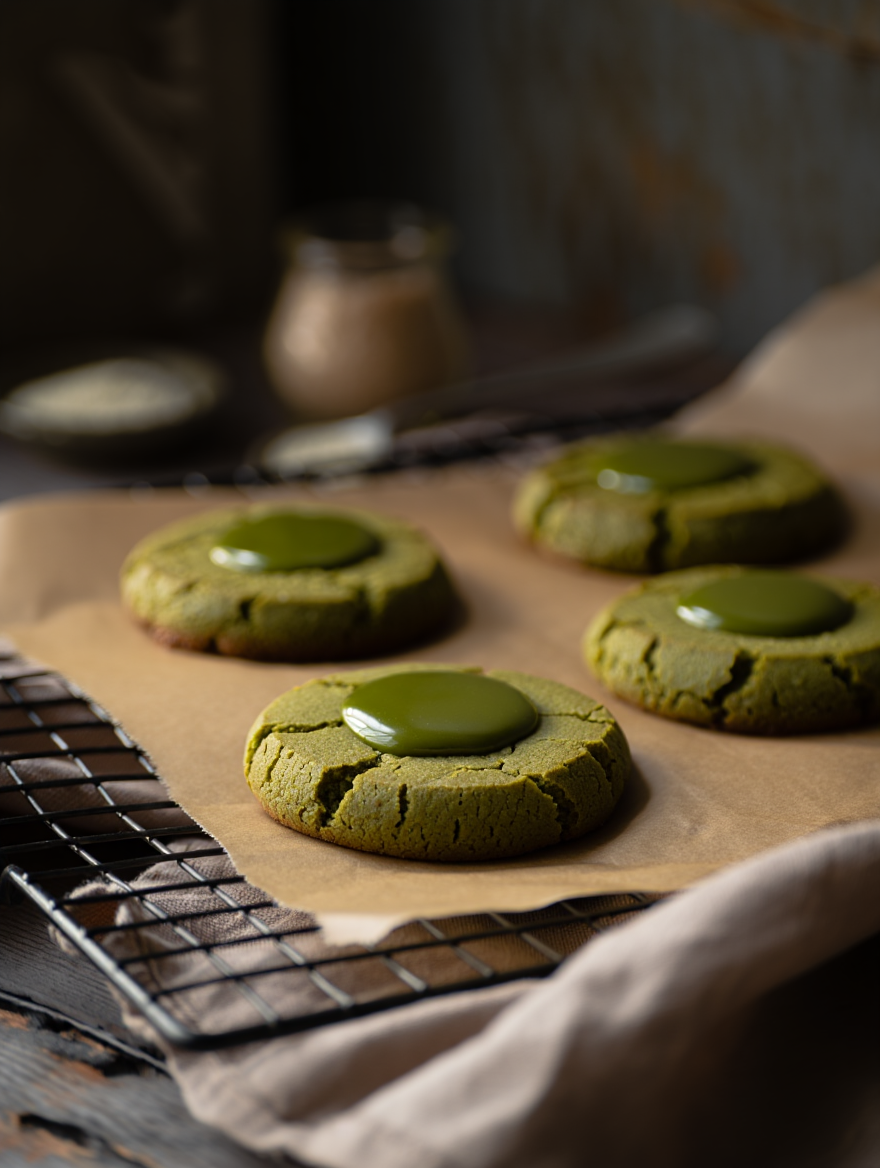
These stunning matcha cookies feature a buttery, melt-in-your-mouth texture with a creamy white chocolate matcha ganache filling. The vibrant green color is as gorgeous as the flavor is irresistibl...
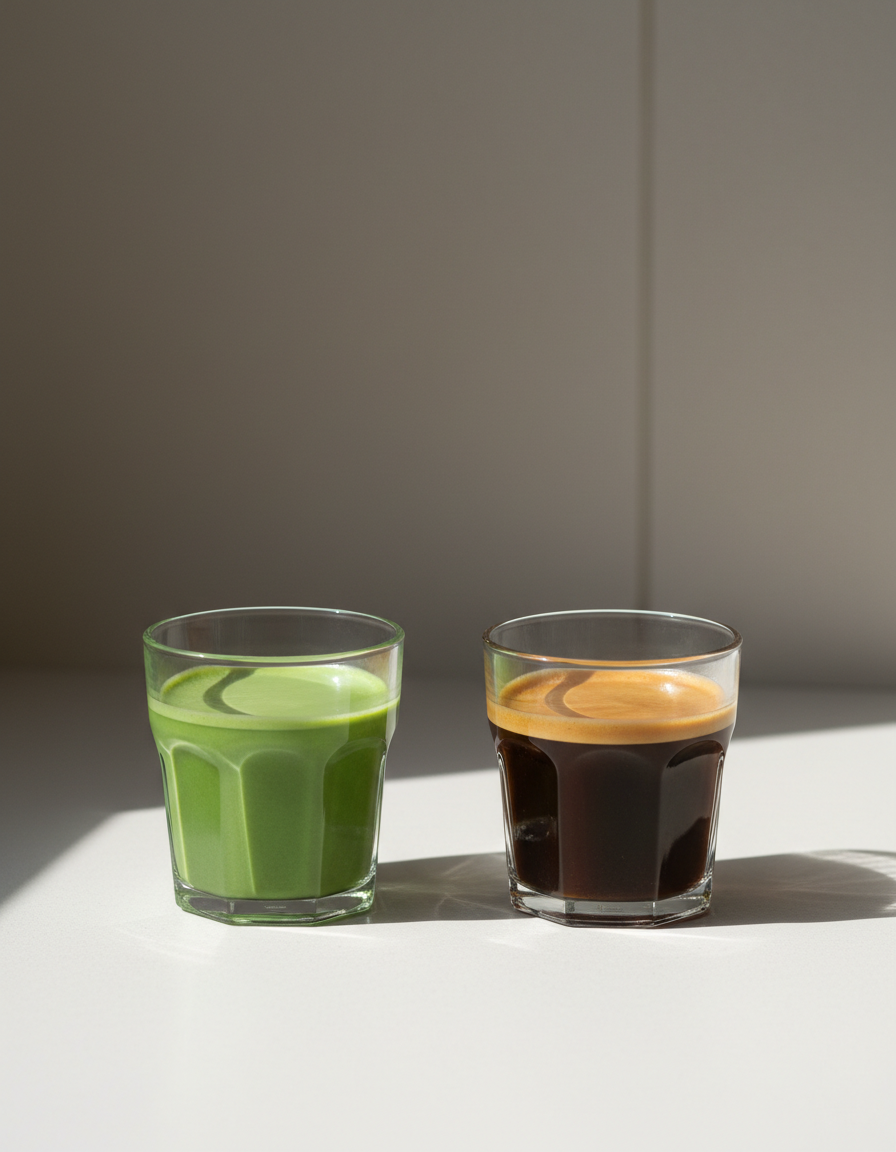
Debating between matcha and coffee for your morning routine? This comprehensive comparison breaks down caffeine content, health benefits, side effects, and why matcha is becoming the wellness commu...
