

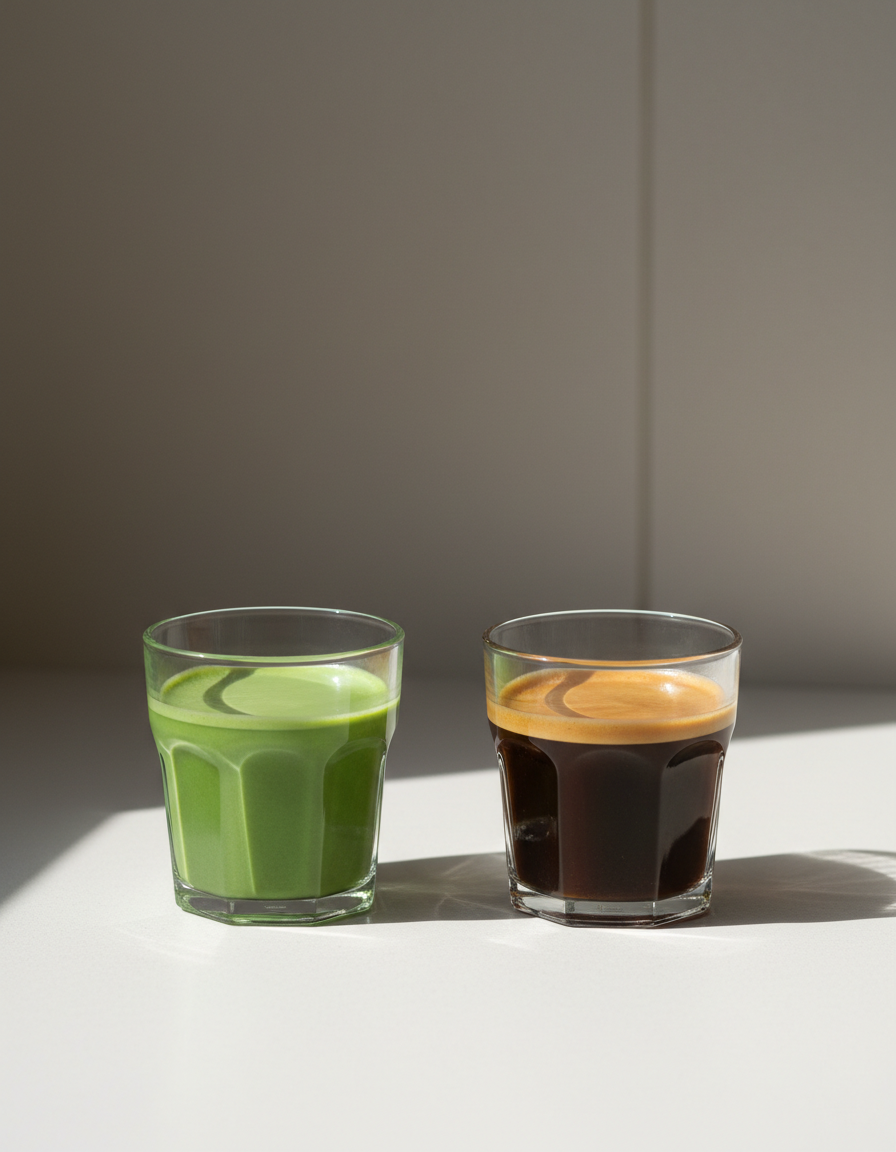
Matcha vs Coffee: Which is Better for Your Health?
Debating between matcha and coffee for your morning routine? This comprehensive comparison breaks down caffeine content, health benefits, side effects, and why matcha is becoming the wellness community's beverage of choice.
The Rise of Matcha: Why Everyone's Switching
Hey there, Asumi Matcha fam! If you've been paying attention to wellness trends over the past few years, you've probably noticed matcha everywhere—from your local coffee shop to your Instagram feed. But this isn't just another fleeting food trend. Matcha's explosive popularity is backed by real science and genuine health benefits that are making people rethink their daily caffeine ritual.
Many people initially try matcha because they're curious about the taste or love that vibrant green aesthetic. But the majority stick with it because of the transformative health benefits they experience. Some have even completely replaced their daily coffee with matcha, reporting better energy, improved focus, and none of the negative side effects they used to associate with caffeine.
So what's really behind this green tea revolution? Let's dive deep into the matcha vs coffee debate and explore why matcha is clearly winning for so many people.
Matcha vs Coffee: The Key Differences
|
Factor |
Matcha |
Coffee |
|
Caffeine Content |
70mg per serving (2g) |
95mg per 8oz cup |
|
Energy Duration |
4-6 hours (sustained) |
1-2 hours (spike & crash) |
|
L-Theanine |
20-40mg (calming amino acid) |
None |
|
Antioxidants (ORAC) |
1,573 units per gram |
200-550 units |
|
Effect on Focus |
Calm, clear focus |
Alert but jittery |
|
pH Level |
Alkaline (pH 8-9) |
Acidic (pH 4.85-5.10) |
|
Stomach Impact |
Gentle, soothing |
Can cause acid reflux |
|
Nutritional Value |
Vitamins, minerals, fiber |
Minimal nutrients |
|
Crash Factor |
None |
Common mid-afternoon crash |
1. The Caffeine Showdown: Smooth Energy vs The Jitters
How Matcha's Caffeine Works Differently
Yes, tea—especially green tea—is an excellent source of caffeine. But what makes matcha truly special is the unique combination of caffeine and L-theanine working together in perfect harmony.
A typical serving of matcha (2g powder) contains approximately 70mg of caffeine—slightly less than an 8oz cup of coffee (95mg). But here's the game-changer: matcha also contains 20-40mg of L-theanine, a natural amino acid found almost exclusively in tea leaves.
What is L-Theanine?
L-theanine is a calming compound that has profound effects on your brain chemistry:
-
Promotes alpha brain waves associated with relaxed alertness (the same brain state achieved during meditation)
-
Modulates caffeine absorption so it releases slowly into your bloodstream
-
Increases GABA, dopamine, and serotonin production for improved mood and focus
-
Reduces anxiety and stress while maintaining mental clarity
The result? Smooth, focused alertness that lasts throughout the entire day—typically 4-6 hours of sustained energy without the spike-and-crash cycle coffee drinkers know all too well.
Say Goodbye to Coffee Jitters
Some people seem immune to this phenomenon, but many coffee drinkers know exactly what we're talking about: that uncomfortable feeling of anxiety, racing heart, shaky hands, and restless energy that can hit 30-60 minutes after your morning cup.
These "coffee jitters" happen because caffeine floods your system all at once, triggering a stress response that releases cortisol and adrenaline. Your body goes into fight-or-flight mode when all you wanted was to wake up and answer some emails.
With matcha, the L-theanine creates a buffer effect. The caffeine is absorbed more gradually, and the calming properties of L-theanine counteract caffeine's anxiety-inducing effects. You get the alertness and focus without the uncomfortable side effects.
Real User Experience:
"I used to drink 3 cups of coffee a day and felt anxious and wired. Since switching to Asumi Matcha, I have calm, steady energy all morning with just one cup. No jitters, no crash—just productive focus." — Common feedback from coffee-to-matcha converts
2. Antioxidant Powerhouse: Fighting Free Radicals
Matcha's Antioxidant Superiority
While you're enjoying a delicious matcha latte, you're also flooding your body with one of the highest concentrations of antioxidants available in any food or beverage.
The Numbers Are Staggering:
-
Matcha contains 137 times more antioxidants than regular steeped green tea
-
1,573 ORAC units per gram (Oxygen Radical Absorbance Capacity)
-
Coffee contains only 200-550 ORAC units
Why such a massive difference? When you drink regular tea, you steep the leaves and throw them away, losing 90% of the nutrients. With matcha, you consume the entire leaf ground into fine powder—getting 100% of its nutritional benefits.
What Are EGCG Catechins?
The superstar antioxidant in matcha is EGCG (epigallocatechin gallate), a powerful catechin that has been extensively studied for its health benefits:
-
Anti-inflammatory properties that reduce chronic inflammation
-
Metabolism-boosting effects that support healthy weight management
-
Cellular protection against oxidative stress and aging
-
Heart health support by improving cholesterol levels
-
Potential cancer-fighting properties (according to multiple research studies)
Coffee does contain some antioxidants (mainly chlorogenic acid), but they're present in much smaller quantities and can be diminished by the roasting process.
Bottom Line: If you're looking for a drink that energizes AND nourishes, matcha wins hands down.
3. Gut Health: Gentle vs Harsh
Coffee's Acidity Problem
Coffee has a pH level of 4.85-5.10, making it quite acidic. For many people—especially those with sensitive stomachs, IBS, GERD, or acid reflux—this acidity can cause:
-
Stomach discomfort and cramping
-
Urgent bathroom trips (coffee stimulates bowel movements within minutes)
-
Acid reflux and heartburn
-
Erosion of tooth enamel over time
-
Increased cortisol production (the stress hormone)
If you've ever experienced stomach upset after your morning coffee, you're not alone. The combination of caffeine and high acidity can be particularly harsh on an empty stomach.
Matcha's Soothing Properties
In contrast, matcha is alkalizing with a pH of 8-9, making it gentle and soothing on your digestive system:
Chlorophyll Benefits: Matcha's vibrant green color comes from chlorophyll, which has several digestive benefits:
-
Natural detoxifier that binds to toxins
-
Alkalizing effect that balances pH levels
-
Anti-inflammatory properties
-
Supports healthy gut bacteria
Gentle Caffeine Release: Because matcha's caffeine is released slowly (thanks to L-theanine), it doesn't trigger the same urgent digestive response that coffee does.
Real World Experience:
Many people who couldn't tolerate coffee due to digestive issues find they can drink matcha daily without any problems. The alkalizing properties actually support gut health rather than irritating it.
4. Nutritional Value: Empty Calories vs Superfood
Coffee's Minimal Nutrition
Black coffee is essentially calorie-free and contains trace amounts of:
-
Vitamin B2 (riboflavin)
-
Vitamin B3 (niacin)
-
Magnesium
-
Potassium
That's it. Coffee is purely a caffeine delivery system with minimal nutritional value. Once you add cream and sugar, you're adding calories without adding meaningful nutrition.
Matcha: A Complete Nutritional Package
Matcha, on the other hand, is packed with vitamins, minerals, amino acids, and fiber because you're consuming the entire tea leaf:
Vitamins:
-
Vitamin C (immune support)
-
Vitamin A (eye health, skin health)
-
Vitamin E (antioxidant, skin health)
-
Vitamin K (bone health, blood clotting)
-
B-complex vitamins (energy production)
Minerals:
-
Potassium (heart health, muscle function)
-
Calcium (bone health)
-
Iron (oxygen transport)
-
Magnesium (300+ enzymatic processes)
Other Beneficial Compounds:
-
Chlorophyll (detoxification)
-
Fiber (digestive health)
-
19 amino acids including L-theanine
-
Polyphenols (anti-inflammatory)
Bottom Line: Matcha doesn't just energize your body—it nourishes you from within, making it a true superfood beverage rather than just a caffeine fix.
5. Energy Quality: Sustained vs Spike-and-Crash
The Coffee Rollercoaster
Most coffee drinkers are familiar with this pattern:
8:00 AM: Coffee hits, you feel alert and energized
9:30 AM: Peak energy and focus
11:00 AM: Energy starts declining
12:00 PM: Fatigue sets in, you need another cup
2:00 PM: The dreaded afternoon crash hits
3:00 PM: Third cup of coffee just to function
10:00 PM: Can't sleep despite being exhausted
This spike-and-crash cycle happens because coffee's caffeine hits your system fast and hard, then depletes rapidly. Your body responds by producing more adenosine (the sleepiness chemical), creating a rebound effect that leaves you more tired than before.
The Matcha Difference
Matcha provides a completely different energy experience:
8:00 AM: Matcha is consumed
8:30 AM: Gentle energy increase begins
9:00 AM: Peak calm, focused alertness
12:00 PM: Still energized and clear-headed
2:00 PM: Sustained focus continues
4:00 PM: Energy gradually tapers naturally
10:00 PM: Normal sleep patterns, no insomnia
The L-theanine slows caffeine absorption, creating sustained release over 4-6 hours. You never experience that anxious spike, and you never crash. Energy fades naturally as the day ends, allowing for normal sleep patterns.
Productivity Impact:
Users consistently report that matcha helps them maintain steady focus and productivity throughout the entire workday, whereas coffee often results in multiple peaks and valleys that disrupt workflow and concentration.
Matcha vs Coffee: Side-by-Side Health Comparison
Coffee's Downsides:
-
❌ Anxiety and jitters
-
❌ Energy crash after 1-2 hours
-
❌ Acid reflux and stomach issues
-
❌ Can disrupt sleep if consumed after noon
-
❌ Tooth staining
-
❌ Can increase cortisol (stress hormone)
-
❌ Minimal nutritional value
-
❌ Dependence and tolerance buildup
Matcha's Benefits:
-
✅ Calm, focused energy
-
✅ Sustained energy for 4-6 hours
-
✅ Gentle on stomach, supports gut health
-
✅ Less likely to affect sleep
-
✅ 137x more antioxidants than regular green tea
-
✅ Reduces stress and promotes relaxation
-
✅ Packed with vitamins, minerals, and fiber
-
✅ Lower dependence potential
-
✅ Metabolism support
-
✅ Anti-aging properties
-
✅ Supports immune function
Who Should Choose Matcha Over Coffee?
Matcha is especially beneficial if you:
-
Experience coffee jitters or anxiety
-
Have a sensitive stomach or acid reflux
-
Struggle with afternoon energy crashes
-
Want to reduce your caffeine intake
-
Need sustained focus for work or study
-
Are interested in anti-aging and antioxidants
-
Want a beverage that nourishes, not just stimulates
-
Have trouble sleeping after drinking coffee
-
Are looking for metabolism support
-
Want to support overall wellness, not just energy
Who Might Still Prefer Coffee?
To be fair, coffee isn't "bad"—it's just different. Coffee might be better for you if you:
-
Genuinely love the taste of roasted coffee
-
Need a very quick, intense energy boost
-
Don't experience negative side effects
-
Enjoy the ritual of espresso or pour-over coffee
-
Have no digestive sensitivities
That said, many people find they can enjoy both—matcha in the morning for sustained energy, and perhaps a small afternoon coffee if they really miss the taste.
Making the Switch: Tips for Coffee Drinkers
If you're considering replacing your daily coffee with matcha, here's how to make the transition smooth:
Week 1-2: Gradual Replacement
-
Replace your first coffee with matcha
-
Keep your afternoon coffee if you need it
-
Let your body adjust to the different energy pattern
Week 3-4: Full Transition
-
Replace all coffee with matcha
-
Notice improvements in energy stability
-
Observe any changes in sleep quality and digestion
Pro Tips:
-
Start with ceremonial grade: Quality matters immensely. Asumi Matcha's ceremonial grade is smooth and naturally sweet, not bitter like culinary grade.
-
Perfect your preparation: Use 80°C water (not boiling) and whisk properly for smooth, frothy matcha.
-
Try different recipes: Matcha lattes, iced matcha, matcha smoothies—find your favorite preparation.
-
Be patient: It may take 1-2 weeks to fully appreciate the subtle, sustained energy vs coffee's intense spike.
-
Stay hydrated: Matcha is hydrating, but drink water throughout the day too.
The Cost Comparison: Is Matcha Worth It?
Coffee Shop Habit:
-
Daily latte: $5-7
-
Monthly cost: $150-210
-
Yearly cost: $1,825-2,555
Premium Matcha at Home:
-
30g Asumi Matcha: ~$20-30
-
Makes 15 servings (2g each)
-
Cost per serving: $1.30-2.00
-
Monthly cost (30 servings): $40-60
-
Yearly cost: $480-720
Savings: $1,100-1,800 per year by switching from coffee shop lattes to home matcha!
Plus, you're getting exponentially more health benefits with matcha. When you factor in the antioxidants, vitamins, minerals, and sustained energy, matcha offers incredible value.
Why Quality Matters: Choose Asumi Matcha
Not all matcha is created equal. The difference between low-quality culinary matcha and premium ceremonial grade is night and day:
Low-Quality Matcha:
-
Brownish or yellowish-green color
-
Bitter, grassy taste
-
Gritty texture
-
Grown in full sun (fewer nutrients)
-
Later harvest leaves (tougher, less flavor)
Asumi Matcha (Ceremonial Grade):
-
Vibrant jade-green color
-
Naturally sweet, umami flavor
-
Ultra-smooth, fine texture
-
Shade-grown for 3-4 weeks (maximizes L-theanine and chlorophyll)
-
First-harvest leaves (tender, premium quality)
-
Stone-ground for finest consistency
-
Higher antioxidant content
When you're making the switch from coffee to matcha, starting with high-quality ceremonial grade like Asumi Matcha ensures you experience the best flavor and maximum health benefits. Don't judge matcha based on the bitter, low-grade powder from generic brands—it's like comparing gas station coffee to specialty single-origin beans.
Frequently Asked Questions
Can I drink matcha if I'm sensitive to caffeine? Yes! Many people who can't tolerate coffee can drink matcha because the L-theanine moderates caffeine's effects. Start with a smaller serving (1g instead of 2g) and see how you feel.
Will matcha stain my teeth like coffee does? Matcha can cause minimal staining, but much less than coffee. Rinse your mouth with water after drinking, or drink through a straw.
How much matcha should I drink per day? 1-2 servings (2-4g total) is ideal for most people. That provides 70-140mg caffeine—enough for sustained energy without overdoing it.
When is the best time to drink matcha? Morning (7-10 AM) is ideal for replacing your coffee routine. You can also drink it early afternoon (before 2 PM) if you need a boost. Avoid drinking after 3 PM if you're sensitive to caffeine.
Can I drink matcha while pregnant or breastfeeding? Consult your healthcare provider, but generally, 1 cup (70mg caffeine) is considered safe. Many pregnant women choose matcha over coffee for its gentler effects.
Does matcha help with weight loss? EGCG catechins in matcha have been shown to boost metabolism and support fat oxidation. Combined with a healthy diet and exercise, matcha can support weight management goals.
Can I add milk and sweetener to matcha? Absolutely! Matcha lattes with milk (dairy or plant-based) and a touch of honey or maple syrup are delicious and still healthier than sugary coffee drinks.
The Verdict: Why Matcha is the Clear Winner
While coffee has held its place in morning rituals for centuries, matcha is steadily becoming the new champion for people who prioritize wellness alongside their caffeine fix.
The Bottom Line:
-
Sustainable energy that lasts 4-6 hours without crashing
-
Antioxidant-rich nourishment with 137x more antioxidants than regular tea
-
Calm, focused alertness without anxiety or jitters
-
Gentle on digestion with alkalizing, soothing properties
-
Comprehensive nutrition with vitamins, minerals, and fiber
-
Overall wellbeing support beyond just caffeine
Why settle for a fleeting caffeine fix that leaves you jittery and crashed when you can enjoy the sustained energy, mental clarity, and full-body nourishment that matcha provides?
We at Asumi Matcha know the answer. And for those who haven't tried it yet, we've got you covered.
Make the switch to Asumi Matcha and experience the difference premium ceremonial grade matcha makes. Say goodbye to coffee jitters and hello to calm, sustained energy that nourishes your body and mind. Shop our vibrant, naturally sweet matcha and join the green revolution today.
Quick Comparison Chart
Choose Matcha if you want:
✅ Sustained energy without crashes
✅ Calm focus, no jitters
✅ Maximum antioxidants
✅ Gut-friendly, alkaline beverage
✅ Nutritional benefits
Choose Coffee if you: ☕ Love the taste of roasted coffee
☕ Want intense, immediate energy
☕ Don't experience negative side effects
Read more

This vibrant mango matcha smoothie layers tropical sweetness with earthy matcha for a refreshing, energy-boosting drink. Ready in 10 minutes with beautiful ombré layers that taste as good as they l...
How did matcha go from an ancient Japanese tea ceremony tradition to a must-have superfood in every Western café? Explore the cultural, health, and social media forces behind matcha's explosive pop...
